What Is Data Security?
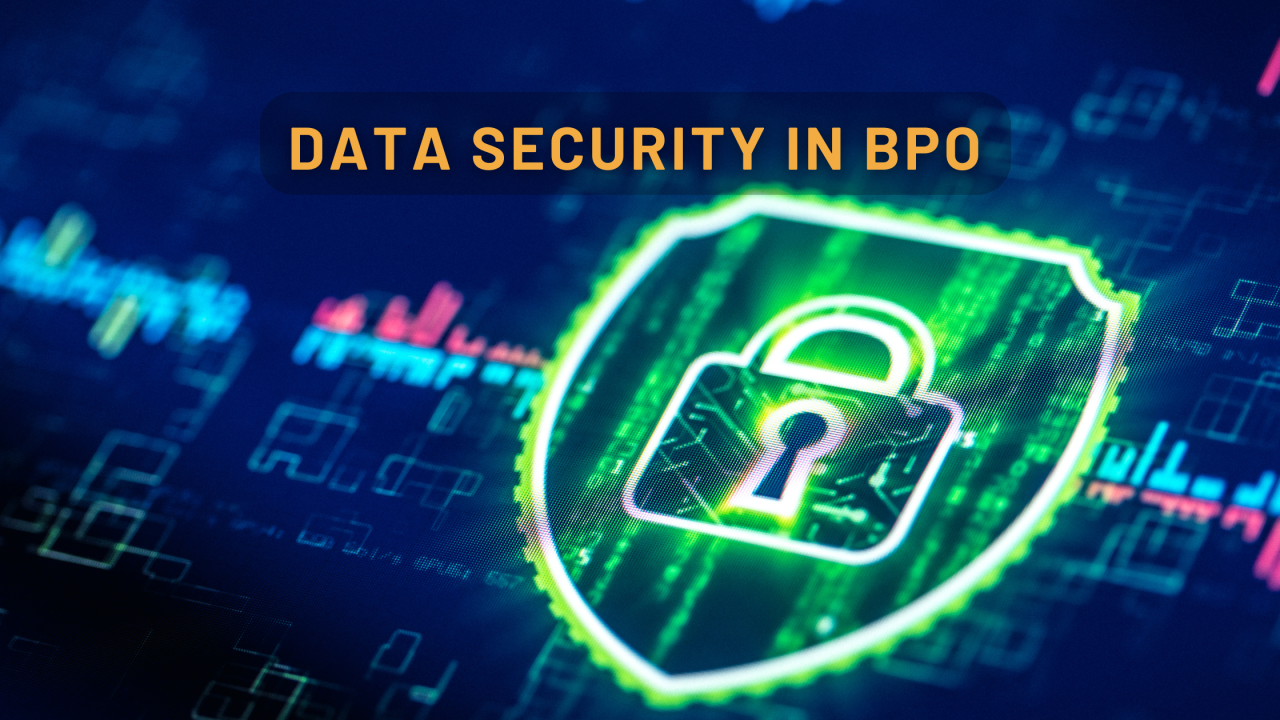
Data security refers to the policies, procedures, controls, and technologies used to protect digital information from unauthorized access, misuse, alteration, leakage, destruction, or loss. It covers every type of business information, including customer data, employee records, financial information, operational data, order details, professional credentials, and confidential documents.
In outsourced business operations, data security becomes even more important because information may be handled by specialized teams, digital platforms, verification workflows, document systems, or customer support channels. Without proper controls, organizations may face risks such as data leakage, unauthorized access, inaccurate processing, regulatory violations, and reputational damage.
Core Components of Data Security
- Data encryption: Protecting information during storage and transmission.
- Access control: Ensuring that only authorized users can access specific systems or records.
- Identity and access management: Managing user roles, permissions, and authentication.
- Secure backup: Creating protected copies of data to support recovery and business continuity.
- Threat monitoring: Detecting suspicious activities, unauthorized attempts, and potential cyber risks.
- Incident response: Preparing clear steps to respond to security incidents, data breaches, or system failures.
- Security awareness: Training teams to handle sensitive information responsibly and reduce human error.
What Is Regulatory Compliance?
Regulatory compliance means that an organization follows the laws, standards, industry rules, and internal policies that govern how data is collected, processed, stored, shared, retained, and deleted. Compliance is not only a legal requirement; it is also a governance framework that helps organizations build trust and reduce operational risk.
For organizations operating in Saudi Arabia, compliance may involve personal data protection requirements, cybersecurity controls, internal governance policies, sector-specific regulations, contractual obligations, and audit readiness. This is especially important for government entities, financial institutions, healthcare organizations, education providers, professional licensing bodies, and companies managing high volumes of customer or employee data.
Why Compliance Matters
- It strengthens trust with customers, partners, employees, and government stakeholders.
- It reduces legal, financial, operational, and reputational risks.
- It improves data governance and accountability.
- It supports audit readiness and internal control processes.
- It helps organizations maintain business continuity during incidents or operational disruptions.
- It creates a more reliable foundation for digital transformation and outsourced operations.
How BPO Services Relate to Data Security and Compliance
BPO, or Business Process Outsourcing, refers to delegating specific business operations to a specialized external provider. These operations may include customer support, back-office processing, data entry, document management, order review, call center operations, technical support, verification workflows, and administrative tasks.
When implemented properly, BPO services help organizations improve performance, reduce operational pressure, increase processing capacity, and allow internal teams to focus on strategic priorities. However, because outsourced processes often involve business-critical data, the BPO provider must operate with strong security controls, clear workflows, documented responsibilities, and compliance-oriented procedures.
How Secure BPO Services Support Organizations
- They improve the management of sensitive information.
- They reduce errors through structured workflows and quality checks.
- They support compliance by applying documented procedures and review mechanisms.
- They improve response times and service quality.
- They enhance operational scalability without compromising control.
- They provide access to trained teams experienced in handling repetitive and sensitive processes.
- They support digital transformation through structured process execution.
Why Companies and Government Entities Need Secure BPO Services
Modern organizations manage large volumes of information every day. Customer requests, order records, verification documents, employee files, professional credentials, service tickets, invoices, and operational reports all require accurate handling. As the workload grows, internal teams may struggle with speed, consistency, cost, and scalability.
Secure BPO services allow organizations to outsource selected processes while maintaining control through defined service levels, access permissions, process documentation, escalation paths, audit trails, and performance reports. This is especially valuable for organizations that require reliable execution but also need to protect confidential or regulated information.
Processes That Often Require Secure Outsourcing
- Customer service and contact center operations.
- Order auditing and transaction review.
- Primary source verification of credentials, licenses, and qualifications.
- Document management and back-office processing.
- Secure printing and imaging of sensitive materials.
- Data entry, validation, and processing.
- Operational reporting and workflow monitoring.
- Administrative support for high-volume government or enterprise services.
How Techtic Supports Secure and Compliant Business Operations
Techtic provides business support and digital solutions that help organizations improve accuracy, efficiency, and operational reliability. Its services are particularly relevant for companies and government entities that need trusted support for sensitive, high-volume, or compliance-driven processes.
1. Business Process Outsourcing
Through Business Process Outsourcing, Techtic helps organizations delegate operational tasks to specialized teams. This can include customer service, data management, back-office operations, and process support. The goal is to improve efficiency, reduce operational cost, and allow internal teams to focus on core business activities.
2. Order Auditing
Techtic’s Order Auditing service supports organizations by reviewing and verifying the accuracy, compliance, and effectiveness of order processing procedures. This helps reduce errors, detect inconsistencies, improve workflow quality, and ensure that each order is processed according to defined standards.
3. Primary Source Verification
Primary Source Verification is a critical process for organizations that need to validate credentials, qualifications, and professional licenses directly from the original issuing authority. This service is especially valuable in regulated sectors where trust, accuracy, and compliance are essential.
4. Advanced Printing and Imaging
Techtic’s Advanced Printing & Imaging solutions support organizations that handle sensitive documents and require secure, accurate, and professional printing workflows. This is relevant for government entities, financial institutions, certification bodies, and organizations that need reliable document handling.
Data Security, Compliance, and BPO Services Table
| Area | Description | Key Benefit |
|---|---|---|
| Data Encryption | Protecting data during storage and transmission using encryption technologies. | Prevents unauthorized access and protects sensitive information. |
| Access Management | Controlling user permissions and limiting access based on roles and responsibilities. | Enhances confidentiality and reduces internal exposure. |
| Secure Backup | Creating protected backup copies of operational and business-critical data. | Supports data recovery and business continuity. |
| Threat Monitoring | Monitoring systems, networks, and workflows for suspicious activity or cyber threats. | Enables early detection and faster response. |
| Regulatory Compliance | Applying policies and controls aligned with data protection and cybersecurity requirements. | Reduces legal, operational, and reputational risks. |
| BPO Services | Managing selected business processes through specialized teams and structured procedures. | Improves operational efficiency while supporting governance. |
| Order Auditing | Reviewing transactions, requests, and order workflows for accuracy and compliance. | Reduces errors and improves process quality. |
| Primary Source Verification | Validating credentials and licenses directly from issuing authorities. | Strengthens trust and reduces fraud or misrepresentation risks. |
| Security Awareness Training | Educating employees and operational teams on cybersecurity and data handling practices. | Reduces human errors and improves security culture. |
| Cyber Risk Management | Assessing, monitoring, and mitigating security risks across outsourced operations. | Strengthens the organization’s overall security posture. |
Common Objections Before Outsourcing Business Processes
Before working with a BPO provider, decision-makers often raise valid concerns. These concerns should not be ignored. Instead, they should be converted into clear selection criteria, contract terms, performance indicators, and operational controls.
Objection 1: Will we lose control over our data?
Outsourcing does not have to mean losing control. A properly designed BPO model defines who owns the data, who can access it, what the provider is allowed to do, how performance is measured, and how the organization can review activities. The client remains the data owner, while the provider executes agreed processes under defined controls.
Objection 2: Is it safe to share sensitive data with an external provider?
It can be safe when the provider follows strict access controls, confidentiality agreements, secure workflows, documented procedures, and clear data handling rules. The risk is not outsourcing itself; the risk is outsourcing without governance, visibility, and accountability.
Objection 3: Is BPO suitable for government entities?
Yes, BPO can be suitable for government entities when the service is designed around the entity’s data classification, operational requirements, compliance obligations, approval workflows, and security standards. Common use cases include contact centers, request processing, document management, verification services, order auditing, and secure printing.
Objection 4: Will outsourcing increase costs instead of reducing them?
The real cost of an operation is not limited to salaries or contract value. It also includes errors, delays, rework, customer dissatisfaction, compliance exposure, and inefficient internal workload. A structured BPO model can reduce these hidden costs by improving accuracy, speed, scalability, and process quality.
Objection 5: Can outsourced services integrate with our existing systems?
In many cases, outsourced operations can be designed to work alongside existing systems such as CRM platforms, order management systems, ERP systems, document management platforms, and reporting dashboards. The key is to define integration requirements early, test workflows, and document responsibilities between systems and teams.
Objection 6: What happens if a data incident or operational error occurs?
A reliable BPO arrangement should include an incident response process. This process should define reporting timelines, escalation levels, investigation steps, corrective actions, documentation requirements, and prevention measures. Service agreements should also clarify responsibilities and communication channels.
Objection 7: How can we verify that the provider is performing accurately?
Accuracy can be measured through operational reports, quality checks, sampling reviews, audit trails, service level agreements, error-rate tracking, and periodic performance meetings. For sensitive processes, order auditing and verification workflows can add an additional layer of confidence.
Best Practices for Enhancing Data Security and Compliance in BPO
To maximize the value of BPO services while reducing risk, organizations should treat outsourcing as a structured operational partnership rather than a simple transfer of tasks. The following best practices can help companies and government entities build a secure and compliant outsourcing model:
- Classify data based on sensitivity before sharing it with any external provider.
- Apply the principle of least privilege to limit access to only what is necessary.
- Use encryption for sensitive data during storage and transmission where applicable.
- Define data ownership, processing responsibilities, and confidentiality obligations in service agreements.
- Document all workflows, approval steps, escalation paths, and exception-handling procedures.
- Establish measurable service level agreements for accuracy, turnaround time, response speed, and quality.
- Use order auditing and quality control checks to reduce processing errors.
- Train all operational teams on cybersecurity awareness and secure data handling.
- Conduct regular risk assessments and operational reviews.
- Create an incident response plan for data breaches, process failures, and system disruptions.
- Review retention, deletion, and archiving policies for outsourced data.
- Choose BPO providers with experience in sensitive, regulated, or high-volume operations.
How to Choose a Secure BPO Provider
Choosing the right BPO provider requires more than comparing prices. Organizations should evaluate the provider’s operational maturity, security awareness, sector experience, reporting capability, and ability to design customized workflows.
Questions to Ask Before Choosing a Provider
- Does the provider understand the sensitivity of your data and processes?
- Can the provider customize workflows based on your organization’s requirements?
- Does the provider support documented procedures and performance reporting?
- How does the provider manage access permissions and user responsibilities?
- Does the provider offer quality control, order auditing, or verification services?
- Can the provider scale operations as demand increases?
- Does the provider have experience serving companies and government entities?
- How are incidents, errors, and escalations handled?
- Can the provider support secure document handling, printing, or imaging if needed?
- How will the organization maintain visibility and control over outsourced activities?
Why Techtic Is a Strong Partner for Secure Business Support
Techtic supports organizations that need reliable, efficient, and scalable business operations. Its service portfolio combines digital solutions with operational support, making it relevant for both private companies and government entities seeking trusted outsourcing and process improvement.
Key Advantages of Working with Techtic
- Specialized services: BPO, order auditing, primary source verification, and advanced printing solutions.
- Operational efficiency: Support for repetitive, high-volume, and accuracy-driven processes.
- Compliance support: Services designed to help organizations improve control, documentation, and process reliability.
- Scalable support: Ability to support growing operational needs without overloading internal teams.
- Accuracy-focused execution: Verification and auditing services that help reduce errors and improve trust.
- Government and enterprise relevance: Solutions suitable for organizations that require secure, structured, and dependable service delivery.
Conclusion
Data security and regulatory compliance are essential for any organization that relies on digital operations, customer data, document workflows, or outsourced services. As organizations continue to adopt BPO services, the main question is no longer whether outsourcing can improve efficiency. The real question is how to outsource securely, responsibly, and in a way that supports compliance.
By combining Business Process Outsourcing, Order Auditing, Primary Source Verification, and Advanced Printing & Imaging, Techtic helps companies and government entities improve operational performance while supporting secure and structured business processes.
If your organization is looking for a trusted partner to support digital transformation, process outsourcing, verification, auditing, or secure document handling, Techtic can help you build a solution tailored to your operational needs.
Frequently Asked Questions About Data Security, Compliance, and BPO Services
Does outsourcing business processes mean losing control over our data?
No. Outsourcing does not mean losing control when the service is designed properly. The organization remains the data owner, while the BPO provider executes agreed tasks under defined access permissions, service levels, reporting structures, and confidentiality obligations.
Is it safe to share sensitive business data with a BPO provider?
It can be safe when the provider uses clear data handling procedures, role-based access, confidentiality agreements, secure systems, quality checks, and incident response processes. The key is to select a provider that understands security, compliance, and operational governance.
Are BPO services suitable for government entities?
Yes. BPO services can support government entities when they are designed according to the entity’s security requirements, data sensitivity, approval workflows, compliance obligations, and performance expectations. Common use cases include request processing, contact centers, document handling, verification services, and secure printing.
Will outsourcing increase our security risk?
Outsourcing may increase risk if it is done without governance. However, a structured BPO model can reduce operational risk by improving documentation, accountability, monitoring, access control, and process consistency.
How can we ensure that a BPO provider complies with data protection requirements?
Organizations should define data handling requirements in the contract, limit access to necessary information, require documented procedures, review performance reports, conduct periodic audits, and ensure that incident response responsibilities are clearly assigned.
What is the difference between data security and cybersecurity?
Data security focuses on protecting information from unauthorized access, leakage, modification, or loss. Cybersecurity is broader and includes protecting systems, networks, applications, and infrastructure from digital threats. Both are important for secure outsourced operations.
Can BPO services help reduce operational costs without compromising security?
Yes. A well-designed BPO model can reduce hidden operational costs related to errors, delays, rework, inefficiency, and internal workload. Security can be maintained through access controls, documented workflows, training, monitoring, and performance reviews.
How does order auditing improve compliance?
Order auditing improves compliance by reviewing order accuracy, checking process consistency, identifying errors, and ensuring that transactions are handled according to defined standards. It helps organizations reduce mistakes and strengthen process accountability.
Why is Primary Source Verification important for regulated sectors?
Primary Source Verification helps organizations confirm credentials, qualifications, licenses, and professional backgrounds directly from the original issuing authority. This reduces the risk of relying on inaccurate, forged, or incomplete information.
Can Techtic support secure document handling and printing?
Yes. Techtic provides Advanced Printing & Imaging solutions for organizations that require accurate, professional, and secure handling of sensitive documents, including entities with high confidentiality and compliance requirements.
How can we monitor the performance of outsourced operations?
Performance can be monitored through service level agreements, operational dashboards, quality reports, error-rate tracking, turnaround time measurements, audit trails, and regular review meetings with the provider.
What should we do before starting a BPO project?
Before starting a BPO project, organizations should define the process scope, classify data sensitivity, identify required controls, document workflows, agree on performance metrics, plan system integration if needed, and establish escalation and incident response procedures.
How can Techtic help companies and government entities start safely?
Techtic can help by understanding the organization’s operational needs, defining the right service scope, supporting secure workflows, improving process accuracy, and providing specialized services such as BPO, order auditing, primary source verification, and secure printing solutions.